
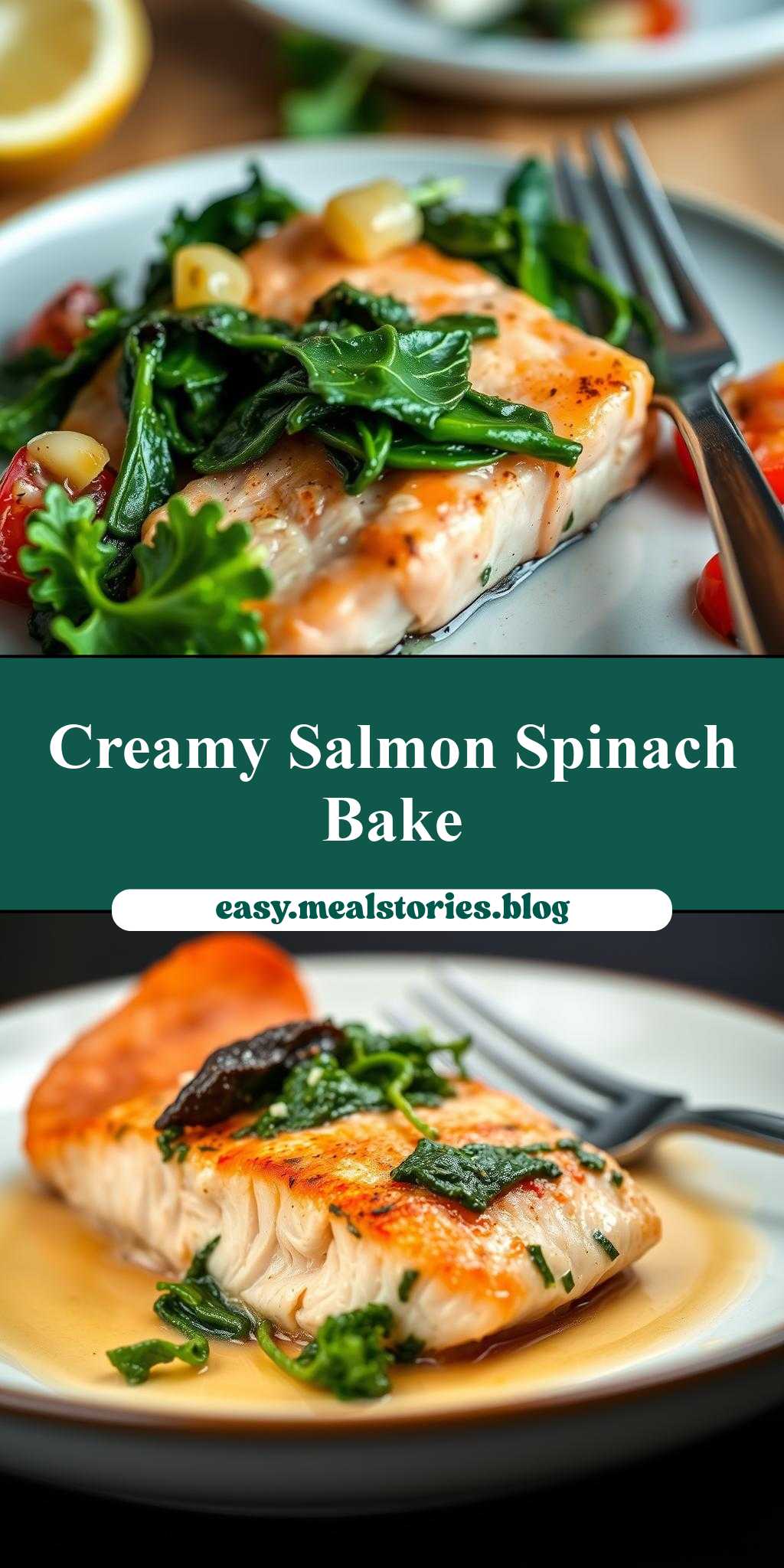
What makes a weeknight dinner truly unforgettable? For me, it’s a dish like Salmon Florentine, with its rich flavors and tender spinach. This easy homemade recipe relies on seared salmon fillets and a creamy sauce. Save this idea for a quick family favorite meal that’s sure to impress, try it soon and enjoy the delightful combination of flavors.
Salmon Florentine
Introduction
Imagine a dish that combines the richness of salmon, the earthiness of spinach, and the creaminess of a perfectly balanced sauce, all coming together in a culinary masterpiece that’s both impressive and surprisingly easy to prepare. Salmon Florentine is a creative twist on traditional recipes, utilizing everyday ingredients to craft a meal that’s not only delicious but also visually stunning. This recipe is perfect for those looking to elevate their cooking without sacrificing flavor or simplicity, making it an excellent choice for both novice cooks and seasoned chefs alike.
Why This Works
- Flavor balance and ingredient accessibility: The combination of salmon, spinach, garlic, and a creamy sauce creates a harmonious balance of flavors that is both satisfying and easy to achieve with commonly found ingredients.
- Ease of preparation: Despite its complexity in flavor and presentation, Salmon Florentine is relatively straightforward to prepare, with steps that can be easily followed and executed in a reasonable amount of time.
- Impressive results with minimal effort: The dish presents beautifully, with the vibrant green of the spinach and the rich color of the salmon, all enveloped in a luscious sauce, making it perfect for special occasions or dinner parties without requiring excessive labor.
Key Ingredients
The main ingredients in Salmon Florentine include fresh salmon fillets, fresh spinach leaves, garlic, lemon, heavy cream, Parmesan cheese, and a variety of spices. For the spinach, fresh is preferred, but frozen can be used as a substitute if thawed and drained properly. The salmon should be as fresh as possible to ensure the best flavor and texture. Heavy cream can be substituted with half-and-half or a mixture of milk and butter for a lighter version. Parmesan cheese adds a salty, nutty flavor, but other hard cheeses can be used if preferred.
Instructions
- Step 1: Begin by preheating your oven to 400°F (200°C). Season the salmon fillets with salt, pepper, and any other desired herbs or spices. Set them aside on a plate.
- Step 2: In a large skillet, heat a couple of tablespoons of olive oil over medium heat. Add minced garlic and sauté until fragrant, being careful not to burn it. Then, add the fresh spinach leaves and cook until they are wilted, which should only take a few minutes. Season with salt, pepper, and a squeeze of lemon juice. Set the spinach mixture aside.
- Step 3: In the same skillet, add a bit more olive oil if necessary, then place the salmon fillets skin side up (if they have skin). Cook for about 3-4 minutes on the first side, then flip them over and cook for another 3-4 minutes, or until they are cooked through to your desired level of doneness. Remove the salmon from the skillet and set it aside with the spinach.
- Step 4: To make the sauce, reduce the heat to low and add heavy cream to the skillet. Bring the cream to a simmer and let it cook until it has reduced slightly and started to thicken. Remove the skillet from the heat and stir in Parmesan cheese until it’s fully incorporated and the sauce is smooth. Season the sauce with salt, pepper, and a squeeze of lemon juice to taste.
- Step 5: To assemble the dish, place a cooked salmon fillet on each plate, top with a spoonful of the wilted spinach, and then drizzle the creamy sauce over the top. Serve immediately and enjoy.
Handy Tips
- When cooking the salmon, make sure not to overcook it. It should flake easily with a fork when it’s done. If you’re unsure, it’s better to err on the side of undercooking slightly, as it will continue to cook a bit after being removed from the heat.
- For the spinach, don’t overcook it. Wilted spinach is best when it still retains some of its vibrant green color and hasn’t turned into mush.
- Experiment with different seasonings on the salmon and in the sauce to give the dish your own unique twist. Herbs like dill or basil can add interesting flavors, and a pinch of red pepper flakes can add a nice kick of heat.
Heat Control
Heat control is crucial in this recipe, especially when cooking the salmon and reducing the cream sauce. For the salmon, a medium heat is ideal for cooking it through without burning the outside. When reducing the cream, a low heat is best to prevent it from boiling over or scorching. The ideal internal temperature for cooked salmon is between 145°F and 150°F (63°C to 66°C). Use a food thermometer to ensure the salmon is cooked to a safe temperature.
Crunch Factor
The crunch factor in Salmon Florentine comes from the texture of the cooked spinach and the slight crispiness of the salmon’s exterior, contrasted with the tender flakiness of the fish inside. To achieve this, don’t overcook the spinach, and make sure the salmon is seared properly at the beginning of its cooking time. Additional crunch can be added by topping the dish with toasted pine nuts or a sprinkle of crispy breadcrumbs before serving.
Pro Kitchen Tricks
- Use high-quality ingredients: The flavor and texture of your final dish will only be as good as the ingredients you start with. Fresh, sustainable salmon and fresh spinach will make a significant difference in the end result.
- Don’t overcrowd the skillet: Cook the salmon fillets one or two at a time, depending on their size and the size of your skillet. This ensures they have enough room to cook evenly and prevents them from steaming instead of searing.
- Reserve the sauce: Make a bit extra of the cream sauce and reserve some for serving. Guests can then help themselves to additional sauce if they prefer a creamier dish.
Storage Tips
- Leftovers can be stored in the refrigerator for up to 2 days. It’s best to store the components separately (salmon, spinach, and sauce) to prevent the salmon from becoming soggy.
- Reheating is best done gently to prevent overcooking the salmon. A low oven (around 300°F or 150°C) for a few minutes, or a quick reheat in the microwave (being careful not to overheat), can work well.
- Freezing is not recommended for cooked salmon due to texture changes, but the sauce can be frozen for up to 3 months. Simply thaw and reheat when needed.
Gift Packaging Ideas
While Salmon Florentine is primarily a dish to be enjoyed fresh, components of it can be gifted. For example, a jar of homemade cream sauce or a packet of seasoned salmon fillets (if you have a vacuum sealer) can be beautifully packaged. Use decorative jars, twine, and a gift tag to make the sauce, or wrap the salmon in parchment paper, tie with twine, and include a card with cooking instructions for a thoughtful gift.
Flavor Variations
- Different spices: Try adding a pinch of smoked paprika to the salmon for a smoky flavor, or some dried dill for a Scandinavian twist.
- Creative toppings: In addition to spinach, consider other greens like kale or collard greens. You can also top the salmon with sliced lemons, capers, or chopped fresh herbs like parsley or basil.
- Ingredient swaps: For a dairy-free version, substitute the heavy cream with a non-dairy creamer or coconut cream. You can also use other types of fish or even chicken for a different protein option.
Troubleshooting
- Texture problems: If the salmon becomes too dry, it was likely overcooked. If the sauce is too thin, simmer it for a few more minutes to reduce it. If it’s too thick, a small amount of cream or water can be added to thin it out.
- Ingredient replacements: Always try to substitute ingredients with something similar in texture and flavor profile. For example, if you don’t have heavy cream, using half-and-half or a mixture of milk and butter can provide a similar richness.
- Over/undercooking signs: For salmon, look for flakiness with a fork. If it doesn’t flake easily, it’s not done yet. If it’s falling apart, it might be overcooked. The sauce should coat the back of a spoon; if it’s too runny, it needs more reduction time.
FAQs
- Can I freeze it? While it’s possible to freeze some components, like the sauce, freezing cooked salmon is not recommended due to potential texture changes. It’s best enjoyed fresh or refrigerated for up to 2 days.
- Is it gluten-free? Yes, this recipe as described is gluten-free, making it a great option for those with gluten intolerance or sensitivity. Just be sure to check the ingredients of any store-bought components, like the cream or cheese, to ensure they are gluten-free.
- Can I double the recipe? Absolutely, this recipe can be easily doubled or even tripled for larger groups. Just ensure you have a large enough skillet to cook the salmon fillets without overcrowding, and adjust the cooking time slightly if necessary.
Conclusion
Salmon Florentine is a dish that embodies the perfect blend of ease, elegance, and flavor, making it a standout choice for any meal. With its simple yet sophisticated preparation method and the versatility to adapt to various tastes and dietary needs, it’s a recipe that will become a staple in your kitchen. Don’t be afraid to experiment with different flavors and ingredients to make it your own, and enjoy the process of creating something truly special. Whether you’re a seasoned chef or just starting your culinary journey, Salmon Florentine is sure to impress and satisfy, making it a wonderful dish to share with family and friends.
Salmon Florentine
A creative and easy-to-make dish combining salmon, spinach, and a creamy sauce, perfect for special occasions or a quick dinner party.
🥘 Ingredients
👩🍳 Instructions
-
1Preheat the oven to 400°F (200°C).
-
2Season the salmon fillets with salt, pepper, and any desired herbs or spices.
-
3Cook the garlic and spinach in olive oil until the spinach is wilted.
-
4Cook the salmon fillets in a skillet, finishing them in the oven if necessary.
-
5Make the cream sauce by reducing heavy cream and stirring in Parmesan cheese.
-
6Assemble the dish by placing a salmon fillet on each plate, topping with spinach and sauce.