
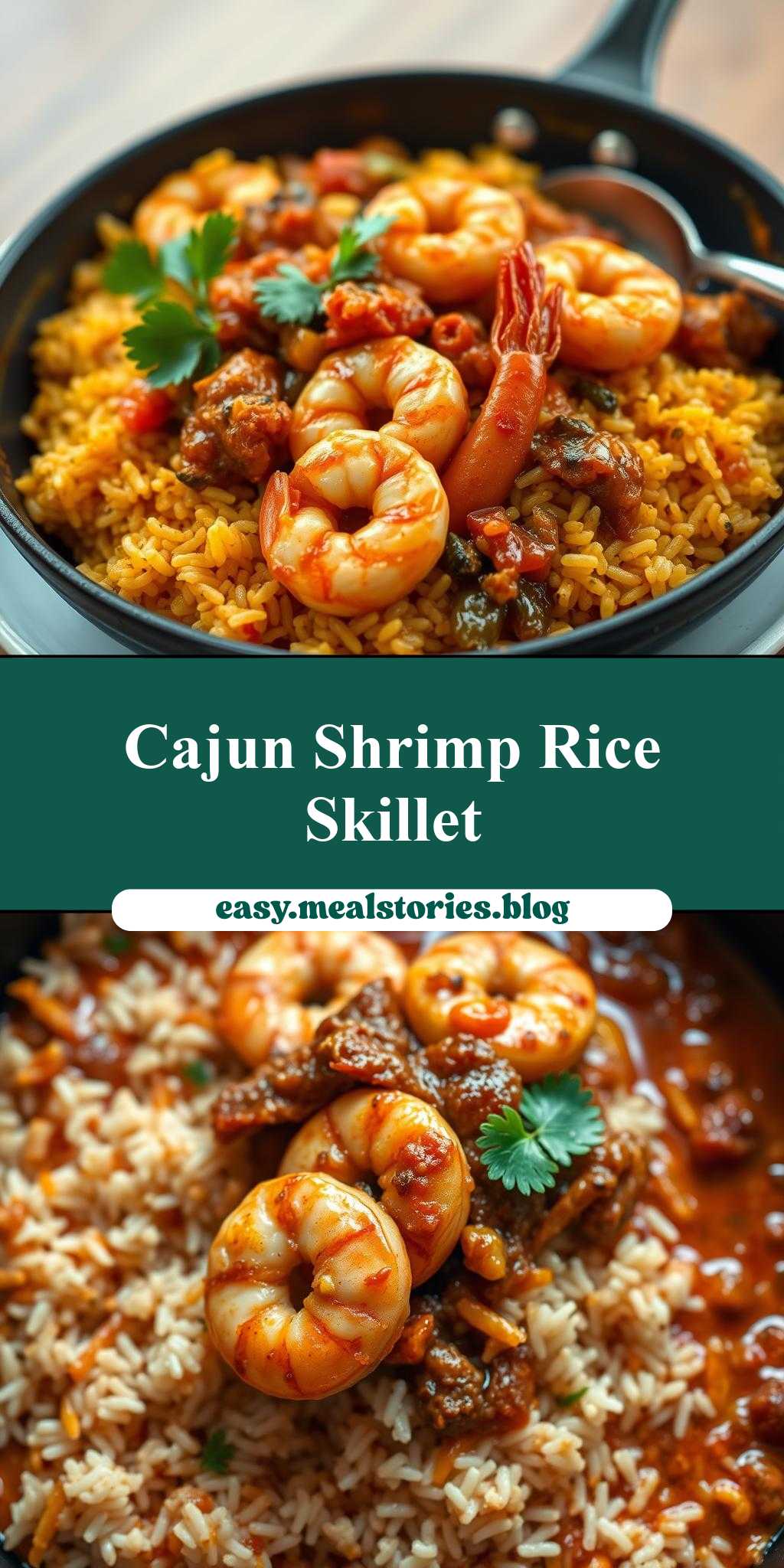
What makes a perfect weeknight dinner? A quick and easy homemade skillet dish like this cajun jambalaya with shrimp and rice, made with succulent spices and savory sausage, save this idea for a flavorful family favorite meal
cajun jambala with shrimp and rice in a skillet
Introduction
Cooking a delicious and spicy Cajun jambalaya with shrimp and rice in a skillet is easier than you think, and it’s a perfect dish for those who love a little heat in their meals. This recipe is all about combining everyday ingredients in a creative way to produce a flavorful and satisfying meal that’s sure to impress. With its roots in Louisiana, jambalaya is a classic dish that typically consists of sausage, rice, and a variety of meats or seafood, all cooked together in a large pot. Our version simplifies the process by using a skillet and focusing on shrimp as the main protein, making it quick, accessible, and perfect for a weeknight dinner or a special occasion.
Why This Works
- Flavor balance and ingredient accessibility: This recipe strikes a perfect balance between spicy, savory, and slightly sweet flavors, using ingredients that are easily found in most supermarkets.
- Ease of preparation: Cooking everything in one skillet makes the preparation and cleanup a breeze, reducing the overall cooking time and effort.
- Impressive results with minimal effort: Despite its simplicity, the dish looks and tastes impressive, making it ideal for entertaining guests or a special family dinner.
Key Ingredients
The main ingredients in this Cajun jambalaya recipe include large shrimp, uncooked white rice, diced tomatoes, onion, bell peppers, Cajun seasoning, smoked sausage (such as Andouille), garlic, olive oil, chicken broth, and a variety of spices. For practical substitutions, you can use chicken or other seafood if shrimp is not available, and adjust the amount of Cajun seasoning according to your desired level of spiciness. Additionally, using leftover cooked rice can be a great way to reduce food waste and speed up the cooking process.
Instructions
- Step 1: Begin by preparing all the ingredients. Chop the onion and bell peppers into small pieces, mince the garlic, and slice the smoked sausage. Rinse the shrimp under cold water, pat them dry with paper towels, and set them aside.
- Step 2: Heat a couple of tablespoons of olive oil in a large, deep skillet over medium-high heat. Add the sliced sausage and cook until browned, about 5 minutes. Remove the cooked sausage from the skillet and set it aside, leaving the drippings in the pan.
- Step 3: Add more oil if necessary, then add the chopped onion and bell peppers to the skillet. Cook until they are tender, about 5 minutes. Add the minced garlic and cook for another minute, stirring constantly to prevent burning. Next, add the shrimp to the skillet and cook until they start to turn pink, about 2-3 minutes per side. Remove the shrimp from the skillet and set them aside with the sausage.
- Step 4: Add the diced tomatoes, chicken broth, Cajun seasoning, and uncooked rice to the skillet. Stir well to combine, scraping the bottom of the pan to incorporate all the flavorful browned bits. Bring the mixture to a boil, then reduce the heat to low, cover the skillet with a tight-fitting lid, and simmer for about 20-25 minutes, or until the rice is cooked and the liquid has been absorbed. Finally, add the cooked sausage and shrimp back into the skillet, stir to combine, and cook for an additional 2-3 minutes to heat everything through.
Handy Tips
- Use high-quality ingredients: Fresh shrimp and good-quality smoked sausage can make a big difference in the flavor of your jambalaya.
- Don’t overcook the shrimp: Shrimp cook quickly and can become tough if overcooked. Remove them from the heat as soon as they turn pink and are just cooked through.
- Adjust the heat level: If you prefer a milder dish, reduce the amount of Cajun seasoning or omit the hot peppers. For a spicier version, add more seasoning or include diced jalapeños in the recipe.
Heat Control
Heat control is crucial in this recipe to prevent burning and to achieve the perfect doneness. When cooking the sausage and shrimp, use medium-high heat to get a good sear, but reduce the heat to medium or low when cooking the vegetables and rice to prevent scorching. The ideal temperature for cooking the rice and liquid mixture is a simmer, which is around 180°F to 190°F. Cooking at this temperature ensures that the rice cooks evenly and the liquid is absorbed without the mixture drying out or burning.
Crunch Factor
The crunch factor in this dish comes from the browned sausage and the slight crispiness on the bottom of the rice, known as the “crust” in jambalaya. To achieve this, don’t stir the rice mixture too frequently, especially towards the end of cooking. Allow it to form a crust on the bottom of the skillet, which adds texture and flavor to the dish. If desired, you can also add some crunchy elements on top, such as chopped scallions or crispy fried shallots, to enhance the texture and visual appeal.
Pro Kitchen Tricks
- Use a cast-iron skillet: Cast-iron skillets are ideal for cooking jambalaya because they retain heat well and can achieve a perfect crust on the bottom of the rice.
- Don’t overcrowd the skillet: Cook the shrimp and sausage in batches if necessary, to ensure they have enough room to cook evenly and prevent steaming instead of browning.
- Let it rest: After cooking, let the jambalaya rest for a few minutes before serving. This allows the flavors to meld together and the rice to absorb any remaining liquid, resulting in a better texture and flavor.
Storage Tips
- Leftover storage: Cool the jambalaya to room temperature, then refrigerate or freeze it. Refrigerated jambalaya will keep for up to 3 days, while frozen jambalaya can be stored for up to 3 months.
- Reheating tips: Reheat jambalaya in the microwave or on the stovetop, adding a little water if it seems dry. You can also reheat it in the oven, covered with foil, at 350°F for about 20-25 minutes, or until heated through.
- Best containers: Use airtight, shallow containers for refrigerating or freezing jambalaya to prevent moisture from accumulating and to make reheating easier.
Gift Packaging Ideas
While jambalaya is typically served hot, you can package it in a way that makes it a thoughtful gift, especially for someone who loves spicy food or is a fan of Louisiana cuisine. Consider packaging cooled jambalaya in decorative, airtight containers or jars, and include a bag of crusty bread or some spicy crackers on the side. You could also include a small bottle of hot sauce or a packet of Cajun seasoning to add an extra touch. Wrap the container in a colorful towel or a piece of folk-art cloth, and tie it with a ribbon or twine for a charming, homemade gift.
Flavor Variations
- Different spices: Experiment with various spice blends, such as adding some cumin for a smoky flavor or using Old Bay for a more seafood-oriented taste.
- Creative toppings: Add some diced avocado, sour cream, or shredded cheese on top of the jambalaya for extra creaminess and flavor contrast.
- Ingredient swaps: Try using chicken, beef, or pork instead of sausage, or add some roasted vegetables like zucchini or mushrooms to increase the vegetable content.
Troubleshooting
- Texture problems: If the rice is too mushy, it might be overcooked. Try reducing the cooking time or using less liquid in the recipe. If the rice is undercooked, add a bit more liquid and continue cooking until it’s tender.
- Ingredient replacements: If you can’t find Andouille sausage, you can substitute it with another smoked sausage or even use bacon for a different flavor profile.
- Over/undercooking signs: Shrimp are cooked through when they turn pink and are firm to the touch. Rice is cooked when it’s tender and the liquid has been absorbed. Be careful not to overcook, as this can make the dish dry and unappetizing.
FAQs
- Can I freeze it? Yes, you can freeze jambalaya for up to 3 months. It’s best to freeze it in airtight, shallow containers to prevent freezer burn and to make reheating easier.
- Is it gluten-free? This recipe is naturally gluten-free, making it a great option for those with gluten intolerance or sensitivity. However, always check the ingredients of the sausage and any store-bought seasonings to ensure they are gluten-free.
- Can I double the recipe? Yes, you can easily double or triple this recipe to feed a larger crowd. Just remember to use a larger skillet and adjust the cooking time slightly, as a larger quantity of rice and ingredients may take a bit longer to cook through.
Conclusion
Cooking Cajun jambalaya with shrimp and rice in a skillet is a fun and rewarding culinary adventure that combines the rich flavors of Louisiana with the convenience of a one-pot meal. With its spicy kick, satisfying texture, and the ease of using everyday ingredients, this dish is sure to become a favorite in your household. Don’t be afraid to experiment with different ingredients and spices to make the recipe your own, and enjoy sharing it with friends and family. Whether you’re a seasoned chef or a beginner in the kitchen, this jambalaya recipe is a great way to explore the vibrant world of Cajun cuisine and to add some excitement to your meal routine.
cajun jambala with shrimp and rice in a skillet
A spicy and flavorful one-pot dish combining shrimp, rice, and smoked sausage in a skillet, perfect for a quick and impressive meal.
🥘 Ingredients
👩🍳 Instructions
-
1Prepare all ingredients by chopping the onion and bell peppers, mincing the garlic, and slicing the smoked sausage.
-
2Heat oil in a large skillet over medium-high heat, add the sliced sausage and cook until browned, about 5 minutes.
-
3Add the chopped onion and bell peppers to the skillet and cook until they are tender, about 5 minutes. Then add the minced garlic and cook for 1 minute.
-
4Add the shrimp to the skillet and cook until they start to turn pink, about 2-3 minutes per side. Remove the shrimp and set them aside with the cooked sausage.
-
5Add the diced tomatoes, chicken broth, Cajun seasoning, and uncooked rice to the skillet. Stir well, bring to a boil, then reduce the heat to low, cover, and simmer for about 20-25 minutes or until the rice is cooked and the liquid has been absorbed.
-
6Return the cooked sausage and shrimp to the skillet, stir to combine, and cook for an additional 2-3 minutes to heat everything through.
-
7Serve hot, garnished with chopped scallions or a sprinkle of paprika if desired.