
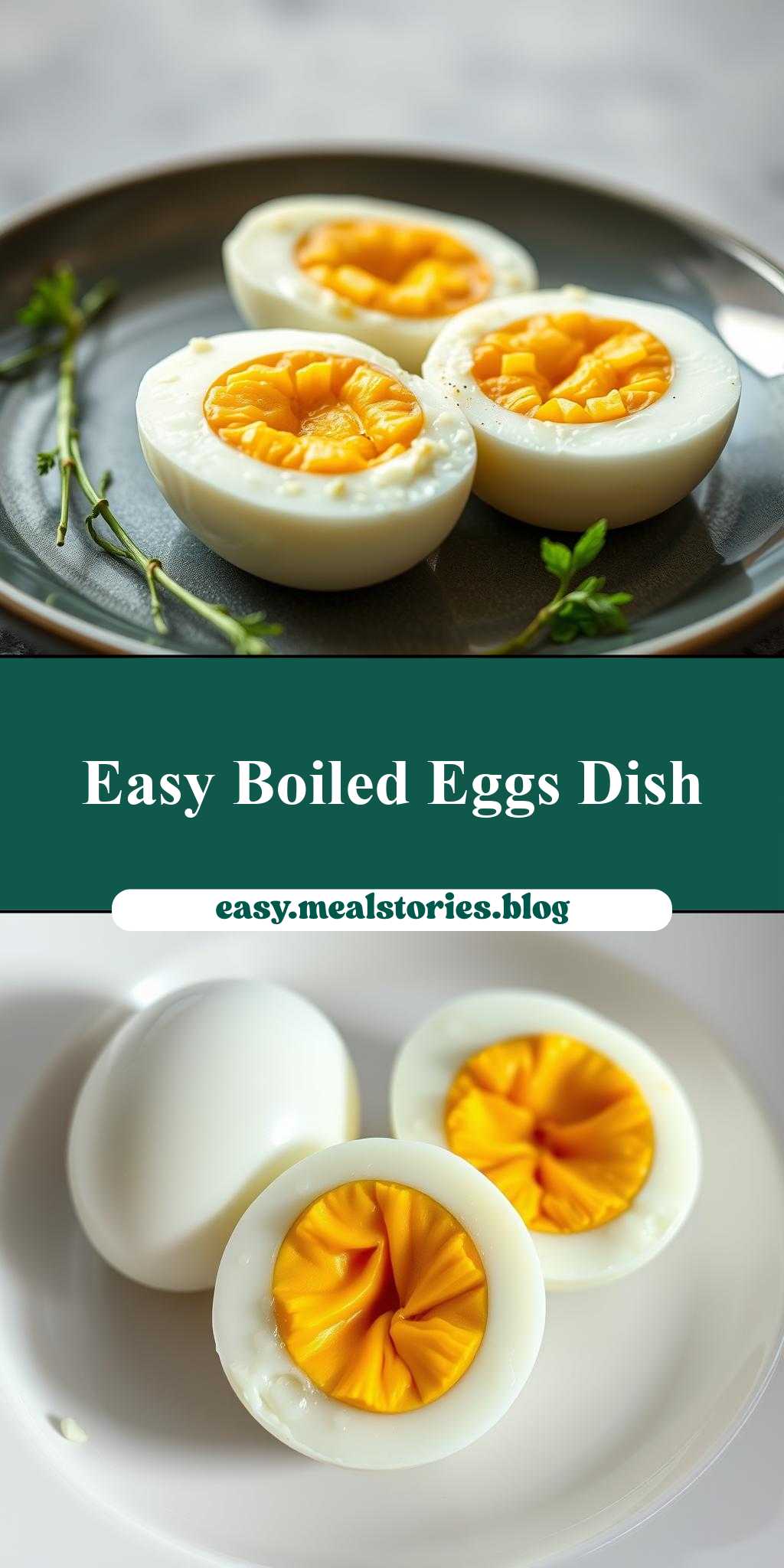
What’s the secret to cooking perfect boiled eggs every time? It’s all about the timing and using fresh eggs. This easy recipe makes a great addition to a quick weeknight dinner or homemade snack. Save this idea for a simple and delicious family favorite, try it soon with your favorite seasonings and toppings, Pin for later
Perfect Boiled Eggs
Introduction
Boiled eggs are a staple in many cuisines around the world, offering a delicious, protein-packed snack or addition to various dishes. What makes boiled eggs truly special is their simplicity and versatility. With just a few ingredients and some basic kitchen tools, you can create perfect boiled eggs every time. Whether you’re looking for a quick breakfast, a healthy snack, or a key ingredient for salads and sandwiches, boiled eggs are an excellent choice. They’re also incredibly easy to customize with different seasonings and toppings, making them a great canvas for your culinary creativity.
Why This Works
- Flavor balance and ingredient accessibility: Boiled eggs rely on minimal, easily accessible ingredients, making them a great option for anyone. The natural flavor of the eggs can be enhanced with simple seasonings.
- Ease of preparation: The process of boiling eggs is straightforward and requires minimal effort, making it perfect for busy days or when you need a quick snack.
- Impressive results with minimal effort: Despite the simplicity, boiled eggs can be presented in a variety of ways, from a simple snack to a decorative addition to salads or other dishes, ensuring impressive results with minimal effort.
Key Ingredients
The main ingredients for perfect boiled eggs are eggs and water. You’ll also need a pot, a stove, and ice for cooling the eggs after boiling. For seasoning, you can use salt, pepper, and any other herbs or spices you prefer. Practical substitutions or additions might include using different types of eggs (such as duck or quail eggs for a unique size and flavor) or adding vinegar to the water to help with peeling.
Instructions
- Step 1: Begin by placing the eggs gently at the bottom of a single layer in a saucepan or pot. Add enough cold water to the pan to cover the eggs by about an inch. If desired, add a teaspoon of salt or vinegar to the water.
- Step 2: Place the pot over high heat and bring the water to a boil. Once the water is boiling, reduce the heat to a simmer.
- Step 3: Let the eggs cook for 10-12 minutes for large eggs. Adjust the cooking time based on the size of your eggs and your desired level of doneness. For soft-boiled eggs, cook for 6-7 minutes, and for medium-boiled eggs, cook for 8 minutes.
- Step 4: After the cooking time has elapsed, immediately transfer the eggs to a bowl of ice water to stop the cooking process. Let them sit in the ice water for 5 minutes before peeling.
Handy Tips
- Use older eggs for easier peeling, as the membrane between the egg white and the shell will be less tight, making it simpler to remove the shell.
- Avoid overcooking, as this can make the eggs rubbery and the yolks dry.
- For easier peeling, crack the eggs gently and start peeling at the large end, where the air pocket is.
Heat Control
The ideal heat control for boiling eggs involves bringing the water to a boil and then reducing the heat to maintain a simmer. This helps cook the eggs gently and evenly. The timing is crucial, as it determines the doneness of the eggs. For large eggs, 10-12 minutes will yield hard-boiled eggs, while less time will result in softer yolks.
Crunch Factor
The texture of boiled eggs should be firm on the outside and cooked through to your desired doneness on the inside. Achieving the perfect texture involves cooking the eggs for the right amount of time and then cooling them rapidly in ice water to stop the cooking process. This rapid cooling helps the eggs to retain their moisture and makes them easier to peel.
Pro Kitchen Tricks
- Use a timer to ensure you don’t overcook the eggs. The cooking time can vary slightly based on the size of the eggs and personal preference for yolk doneness.
- Shock the eggs in an ice bath after cooking to make peeling easier and to stop the cooking process immediately.
- For deviled eggs or egg salad, use the freshest eggs possible, but for boiling, slightly older eggs are preferable for easier peeling.
Storage Tips
- Hard-boiled eggs can be stored in the refrigerator for up to a week. Keep them in a covered container to maintain freshness and prevent absorption of other flavors from the fridge.
- Avoid storing hard-boiled eggs at room temperature for extended periods, as this can lead to bacterial growth and food safety issues.
- For longer storage, consider pickling boiled eggs in a brine solution or freezing them after peeling and drying. However, freezing can affect the texture of the eggs, making them more rubbery.
Gift Packaging Ideas
While boiled eggs themselves might not be the most conventional gift, they can be part of a thoughtful gift basket, especially when paired with other snacks or gourmet items. Consider packaging them in decorative jars or containers, especially if you’re pickling them, and add a ribbon or gift tag for a personal touch. You could also include a recipe booklet with creative ways to use boiled eggs.
Flavor Variations
- Different spices: Try adding smoked paprika, garlic powder, or chili powder to the eggs after boiling for a smoky, savory, or spicy kick.
- Creative toppings: Top your boiled eggs with chopped herbs like parsley or chives, grated cheese, or a dollop of sour cream for added flavor and texture.
- Ingredient swaps: Experiment with different types of eggs, such as duck or quail eggs, for a unique size and flavor profile.
Troubleshooting
- Texture problems: If your eggs are too rubbery, they might be overcooked. If they’re not peeling well, try using older eggs or adding more vinegar to the water.
- Ingredient replacements: There aren’t many ingredients to replace in boiled eggs, but you can experiment with different seasonings or types of eggs for variation.
- Over/undercooking signs: Check the eggs after the minimum recommended cooking time. For hard-boiled eggs, the yolks should be fully set and not runny. For softer yolks, cook for less time and check frequently to achieve your desired doneness.
FAQs
- Can I freeze it? Yes, you can freeze boiled eggs, but it’s best to peel and dry them first. Freezing can affect the texture, making the eggs more rubbery.
- Is it gluten-free? Yes, boiled eggs are naturally gluten-free, making them a great option for those with gluten intolerance or sensitivity.
- Can I double the recipe? Absolutely, you can boil as many eggs as your pot can comfortably hold in a single layer. Just adjust the cooking time slightly if you’re boiling a very large batch.
Conclusion
Boiling eggs is a simple yet versatile technique that can elevate your snacks, meals, and even gifts. With a few basic ingredients and some straightforward steps, you can achieve perfect boiled eggs every time. Don’t be afraid to experiment with different seasonings, toppings, or types of eggs to find your favorite way to enjoy them. Whether you’re a beginner in the kitchen or an experienced cook, boiled eggs are a great addition to your culinary repertoire. So go ahead, give this recipe a try, and discover the simplicity and delight of perfect boiled eggs.
Perfect Boiled Eggs
A simple recipe for boiling eggs to perfection, with tips for easy peeling and versatile uses.
🥘 Ingredients
👩🍳 Instructions
-
1Place eggs in a single layer at the bottom of a saucepan.
-
2Add enough cold water to cover the eggs by about an inch.
-
3Bring the water to a boil, then reduce the heat to a simmer.
-
4Let the eggs cook for 10-12 minutes for large eggs, then transfer them to an ice bath.
-
5Peel the eggs once they have cooled.