
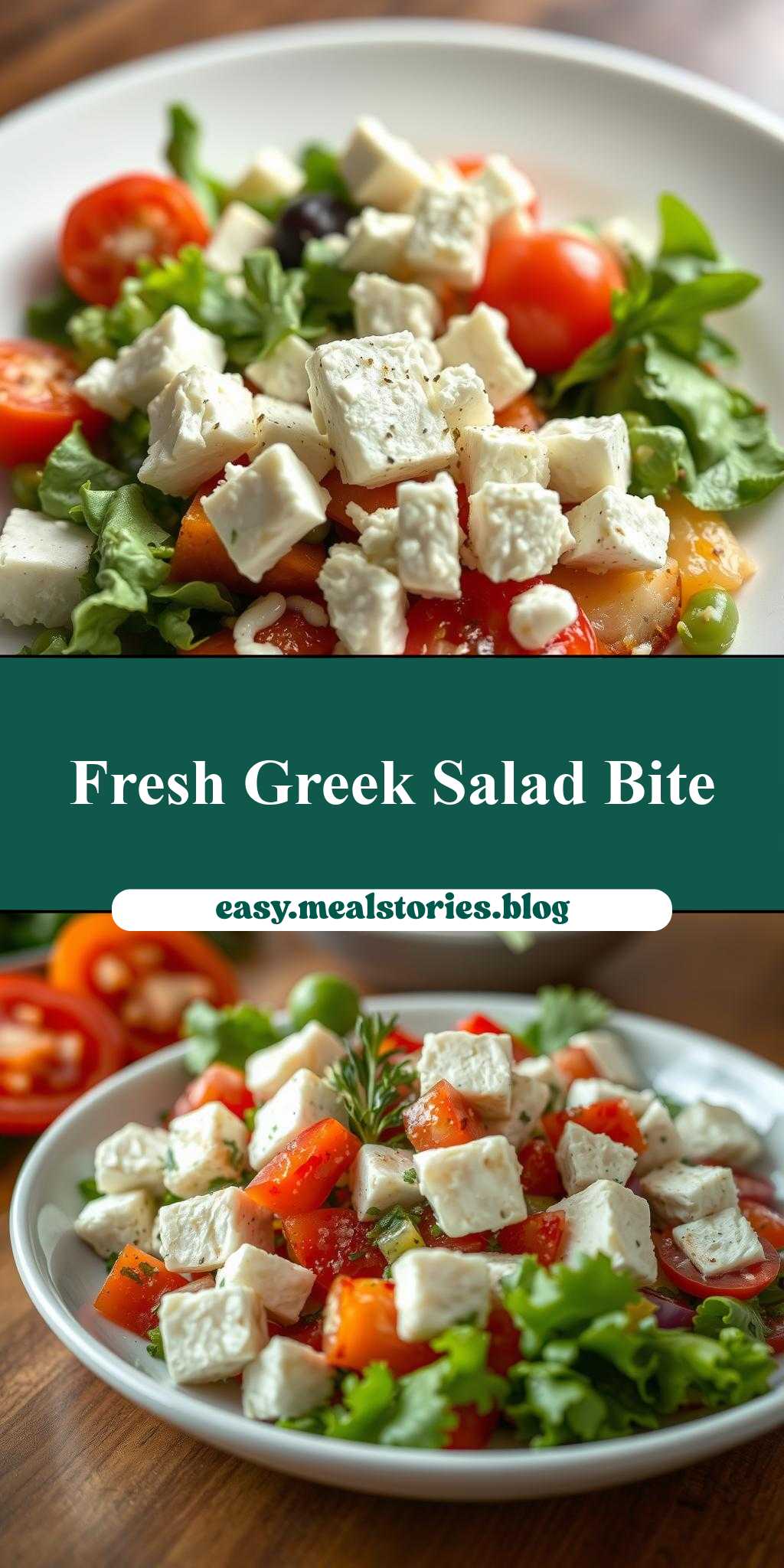
What makes a perfect summer side dish? A classic Greek salad with juicy tomatoes and crunchy cucumbers is my go-to easy and quick weeknight dinner solution, perfect for a family favorite homemade meal, try this simple recipe with fresh feta cheese and save this idea
Classic Greek Salad
Introduction
The Classic Greek Salad, also known as a Greek Village Salad or simply Horiatiki, is a dish that embodies the simplicity, freshness, and bold flavors of Greek cuisine. It’s a salad that requires minimal cooking, making it perfect for warm days when you want something light and refreshing. In this recipe, we’ll explore how to create this iconic salad using everyday ingredients, highlighting its ease of preparation, the balance of flavors, and the room for creativity it offers. Whether you’re a seasoned chef or a beginner in the kitchen, this salad is sure to impress with its vibrant colors and tantalizing taste.
Why This Works
- Flavor balance and ingredient accessibility: The Classic Greek Salad is a masterclass in balancing flavors, with the tanginess of feta, the sweetness of tomatoes, and the brininess of olives, all tied together with a drizzle of olive oil and possibly a squeeze of lemon juice. The best part is that these ingredients are easily accessible in most supermarkets.
- Ease of preparation: One of the most appealing aspects of this salad is how easy it is to prepare. There’s no cooking involved, apart from possibly toasting some bread for croutons, making it a quick and stress-free option for lunch or dinner.
- Impressive results with minimal effort: Despite its simplicity, the Classic Greek Salad presents beautifully and tastes incredible, making it perfect for entertaining guests or special occasions without having to spend hours in the kitchen.
Key Ingredients
The core ingredients of a Classic Greek Salad include juicy tomatoes, crunchy cucumbers, red onions for a punch of flavor, Kalamata olives for their distinct taste, and crumbled feta cheese, which is the centerpiece of the salad. You’ll also need some extra virgin olive oil and possibly some red wine vinegar or lemon juice for dressing. For added texture, consider including some capers and a sprinkle of oregano. If you can’t find Kalamata olives, you can substitute them with other varieties, though keep in mind the flavor might slightly differ. Similarly, while traditional recipes call for Greek feta, other types of feta or even goat cheese can be used as substitutes in a pinch.
Instructions
- Step 1: Begin by preparing your ingredients. Wash and slice the tomatoes into wedges, peel and slice the cucumbers into thick rounds, and thinly slice the red onion. Pit the olives if they haven’t been pitted already.
- Step 2: In a large bowl, combine the sliced tomatoes, cucumbers, red onions, and olives. This is the base of your salad, so make sure everything is evenly distributed.
- Step 3: Crumble the feta cheese over the top of the salad. You want a generous amount of feta, as it’s a key component of the Greek Salad, but don’t overdo it. Sprinkle some capers over the feta for added flavor and texture.
- Step 4: Drizzle the extra virgin olive oil over the salad, followed by a splash of red wine vinegar or lemon juice, if using. Sprinkle some dried oregano over the top to finish. Toss the salad gently to combine, being careful not to bruise the vegetables. Serve immediately, garnished with a lemon wedge on the side, if desired.
Handy Tips
- When selecting tomatoes, look for ones that are heavy for their size and have a sweet, earthy aroma. These will be the juiciest and tastiest in your salad.
- For the best flavor, use high-quality extra virgin olive oil. It makes a significant difference in the taste of the salad.
- Don’t overdress the salad. The ingredients should be lightly coated, not swimming in dressing. You can always add more, but it’s harder to remove excess dressing.
Heat Control
This recipe does not require any heat, making it perfect for hot summer days. However, if you decide to toast some bread for croutons, make sure to keep an eye on it. Ideal toasting time is usually around 5-7 minutes in a low oven (around 300°F), or until the bread is lightly browned and crispy. Keep an eye on it to avoid burning.
Crunch Factor
The crunch in a Classic Greek Salad comes from the cucumbers, the croutons if you choose to add them, and to some extent, the capers. To maintain this crunch, it’s best to prepare the salad just before serving. If you’re preparing ahead, keep the components separate and assemble just before serving to prevent the vegetables from getting soggy.
Pro Kitchen Tricks
- Use a variety of tomato colors if available. This adds visual appeal to the salad and can vary the flavor slightly, as different colored tomatoes can have different taste profiles.
- Let the salad sit for about 10-15 minutes before serving. This allows the flavors to meld together, enhancing the overall taste of the salad.
- For an extra burst of flavor, consider marinating the onions in a bit of red wine vinegar or lemon juice for about 30 minutes before adding them to the salad. This reduces their pungency and adds a tangy flavor.
Storage Tips
- If you need to store the salad, it’s best to keep the components separate. Store the vegetables, cheese, and olives in separate containers in the refrigerator. Dress the salad just before serving.
- The salad is best served fresh, but it can be stored for up to a day in the refrigerator. Beyond that, the vegetables may start to lose their crunch.
- For leftovers, consider turning the salad into a sandwich filling by adding some torn bread or using it as a topping for grilled meats or fish.
Gift Packaging Ideas
While the Classic Greek Salad is typically served and enjoyed immediately, components of it can be beautifully packaged as a gift. Consider placing a block of feta, some Kalamata olives, artichoke hearts, and a bottle of extra virgin olive oil into a basket, along with some crusty bread and a few fresh herbs like oregano or thyme. This makes for a lovely and thoughtful gift for any food enthusiast.
Flavor Variations
- Different spices: Consider adding a pinch of cumin or smoked paprika to give the salad a smoky depth.
- Creative toppings: Avocado slices, grilled chicken, or some chopped hard-boiled eggs can add interesting textures and flavors to the salad.
- Ingredient swaps: While traditional, feel free to experiment with different types of cheese, such as goat cheese or ricotta salata, for a unique twist.
Troubleshooting
- Texture problems: If your salad ends up too soggy, it might be because the vegetables were not fresh or they were dressed too early. Try to use the freshest ingredients possible and dress the salad just before serving.
- Ingredient replacements: If you can’t find a specific ingredient, don’t be afraid to substitute. The key is maintaining the balance of flavors and textures.
- Over/undercooking signs: Since this salad doesn’t require cooking, you don’t have to worry about over or undercooking. However, if you’re toasting bread for croutons, keep an eye on it to prevent burning.
FAQs
- Can I freeze it? It’s not recommended to freeze the Classic Greek Salad, as the textures and flavors will suffer. It’s best enjoyed fresh.
- Is it gluten-free? Yes, the salad itself is gluten-free, making it a great option for those with gluten intolerance. Just be mindful of the bread you might serve on the side.
- Can I double the recipe? Absolutely. This salad scales well, so whether you’re serving a small gathering or a large crowd, you can easily double or triple the ingredients as needed.
Conclusion
The Classic Greek Salad is a timeless dish that never goes out of style. Its simplicity, combined with the depth of flavors and textures, makes it a staple in any kitchen. Whether you’re a fan of traditional recipes or like to experiment with new flavors, this salad offers a canvas for creativity. So, go ahead, give it a try, and don’t hesitate to make it your own. With its ease of preparation, impressive presentation, and delicious taste, the Classic Greek Salad is sure to become a favorite in your household.