
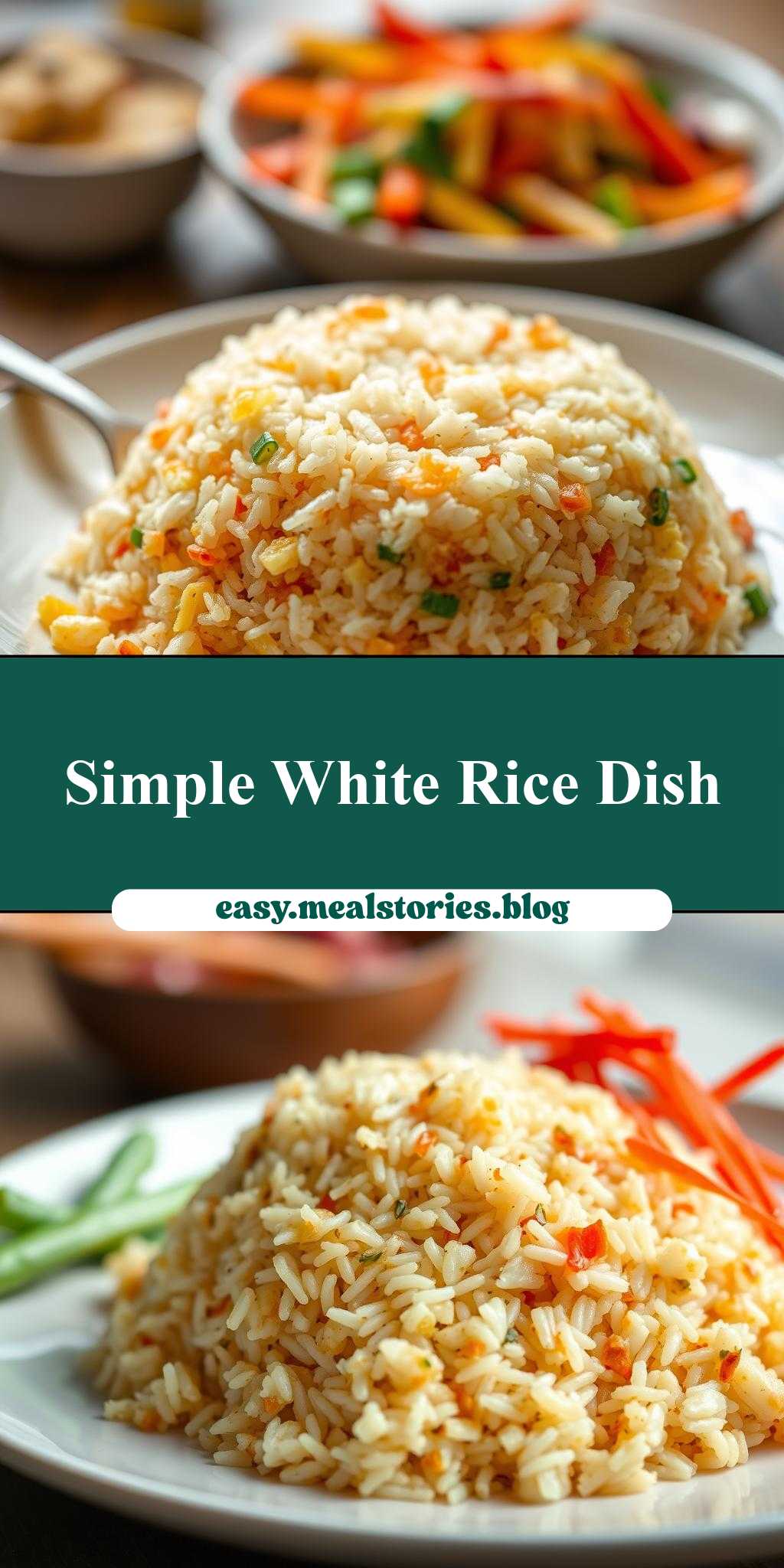
What if perfectly cooked rice was just a few simple steps away? Master the basics with this easy homemade recipe using simple ingredients like fresh water and a touch of salt, perfect for a quick weeknight dinner. Save this idea for a stress-free family favorite meal.
How to Cook Rice
Introduction
Cooking rice is one of the simplest and most versatile culinary skills to master, offering a world of flavors and textures that can elevate any meal. Whether you’re a beginner in the kitchen or an experienced chef, cooking rice is an essential technique that can be adapted to suit any dish or cuisine. With just a few basic ingredients and some straightforward steps, you can create a delicious and aromatic rice dish that’s sure to impress. In this article, we’ll take you through the process of cooking rice, from preparation to presentation, and provide you with some handy tips and tricks to make your rice dishes truly exceptional.
Why This Works
- Flavor balance and ingredient accessibility: Cooking rice allows you to balance flavors and textures with ease, using everyday ingredients that are readily available in most supermarkets.
- Ease of preparation: Cooking rice is a relatively quick and easy process that requires minimal preparation and equipment, making it a great option for busy weeknights or special occasions.
- Impressive results with minimal effort: With a little practice and patience, you can achieve impressive results with cooking rice, from perfectly cooked grains to creative and delicious flavor combinations.
Key Ingredients
The key ingredients for cooking rice are, of course, rice itself, as well as water or broth, and any desired flavorings or seasonings. You can use a variety of rice types, including white, brown, jasmine, or basmati, each with its own unique texture and flavor profile. For added flavor, you can use chicken or vegetable broth, or add aromatics like onions, garlic, or ginger. Optional ingredients like herbs, spices, or grated vegetables can also be added to give your rice dish an extra boost of flavor and nutrition.
Instructions
- Step 1: Begin by rinsing your rice in a fine-mesh strainer under cold running water, then drain and set aside. This helps to remove any excess starch and impurities from the rice, resulting in better texture and flavor.
- Step 2: In a medium saucepan, combine 2 cups of water or broth with 1 tablespoon of olive oil and 1 small onion, diced (optional). Bring the mixture to a boil over high heat, then reduce the heat to low and add the rinsed rice. Stir gently to combine, then cover the saucepan with a tight-fitting lid.
- Step 3: Simmer the rice for 15-20 minutes, or until the water has been absorbed and the rice is cooked and fluffy. You can check for doneness by fluffing the rice with a fork or by checking the texture, which should be tender but still slightly firm in the center.
- Step 4: Once the rice is cooked, remove the saucepan from the heat and let it sit, covered, for 5 minutes. This allows the rice to steam and relax, resulting in a lighter and fluffier texture. After 5 minutes, fluff the rice with a fork and add any desired flavorings or seasonings, such as soy sauce, herbs, or grated vegetables.
Handy Tips
- Use the right water ratio: Generally, you’ll want to use a 2:1 water-to-rice ratio, but this can vary depending on the type of rice and your personal preference.
- Don’t over-stir: Stirring the rice too much can result in a sticky or mushy texture, so try to stir it gently and only when necessary.
- Add aromatics: Sauteing aromatics like onions, garlic, or ginger before adding the rice can add a depth of flavor and aroma to your dish.
Heat Control
When cooking rice, it’s essential to control the heat to achieve the perfect texture and flavor. Bring the water or broth to a boil over high heat, then reduce the heat to low and cover the saucepan. This allows the rice to simmer gently and cook evenly, resulting in a tender and fluffy texture. If you’re using an electric rice cooker or Instant Pot, follow the manufacturer’s instructions for heat control and cooking time.
Crunch Factor
The texture of cooked rice can vary from soft and fluffy to crispy and crunchy, depending on the type of rice and the cooking method. For a crunchy texture, try toasting the rice in a pan with a little oil or butter before cooking, or add some crunchy ingredients like nuts or seeds to the dish. For a softer texture, use a higher water ratio or add some moisture-rich ingredients like vegetables or broth.
Pro Kitchen Tricks
- Use a rice cooker: If you cook rice frequently, consider investing in a rice cooker, which can help to achieve perfect results with minimal effort.
- Add a splash of acidity: A squeeze of fresh lemon juice or a splash of vinegar can help to balance the flavors and textures of the rice.
- Try different seasonings: Experiment with different herbs, spices, and seasonings to add unique and exciting flavors to your rice dishes.
Storage Tips
- Cool the rice: After cooking, let the rice cool to room temperature to prevent bacterial growth and foodborne illness.
- Store in airtight containers: Transfer the cooled rice to airtight containers, such as glass or plastic containers with tight-fitting lids.
- Reheat safely: When reheating cooked rice, make sure it’s steaming hot throughout to prevent foodborne illness.
Gift Packaging Ideas
While cooked rice isn’t typically given as a gift, you can package and gift rice-based dishes like rice bowls or rice salads in creative and attractive ways. Consider using decorative containers, garnishes, or packaging materials like twine or ribbons to add a personal touch. You can also include a recipe card or a handwritten note with serving suggestions or cooking tips.
Flavor Variations
- Herbs and spices: Try adding different herbs and spices, such as cumin, coriander, or paprika, to give your rice dishes unique and exciting flavors.
- Creative toppings: Add some creative toppings, such as grilled meats, roasted vegetables, or fried eggs, to add texture and flavor to your rice dishes.
- Ingredient swaps: Experiment with different ingredients, such as quinoa, farro, or bulgur, to add variety and nutrition to your rice dishes.
Troubleshooting
- Texture problems: If your rice is too sticky or mushy, try adjusting the water ratio or adding some acidity, such as lemon juice or vinegar.
- Ingredient replacements: If you’re missing an ingredient, try substituting it with something similar, such as using chicken broth instead of vegetable broth.
- Over/undercooking signs: Check the rice regularly while it’s cooking to avoid overcooking or undercooking, and adjust the heat or cooking time as needed.
FAQs
- Can I freeze it? Yes, cooked rice can be frozen for up to 3 months. Simply cool the rice to room temperature, then transfer it to airtight containers or freezer bags.
- Is it gluten-free? Yes, plain cooked rice is gluten-free, but be sure to check the ingredients of any added broths or seasonings to ensure they are gluten-free as well.
- Can I double the recipe? Yes, you can easily double or triple the recipe to feed a larger crowd. Just be sure to adjust the cooking time and heat as needed to ensure the rice is cooked evenly and thoroughly.
Conclusion
Cooking rice is a simple yet versatile culinary skill that can be adapted to suit any dish or cuisine. With a little practice and patience, you can achieve perfect results and create delicious and aromatic rice dishes that are sure to impress. Remember to experiment with different ingredients and flavor combinations, and don’t be afraid to try new things and make mistakes. Happy cooking, and we hope you enjoy this recipe for cooking rice!
How to Cook Rice
A simple and versatile recipe for cooking rice, with tips and tricks for achieving perfect results.
🥘 Ingredients
👩🍳 Instructions
-
1Rinse the rice in a fine-mesh strainer under cold running water, then drain and set aside.
-
2In a medium saucepan, combine the water or broth, olive oil, and diced onion (if using). Bring to a boil over high heat, then reduce the heat to low and add the rinsed rice. Stir gently to combine, then cover the saucepan with a tight-fitting lid.
-
3Simmer the rice for 15-20 minutes, or until the water has been absorbed and the rice is cooked and fluffy.
-
4Once the rice is cooked, remove the saucepan from the heat and let it sit, covered, for 5 minutes. Fluff the rice with a fork and add any desired flavorings or seasonings.