
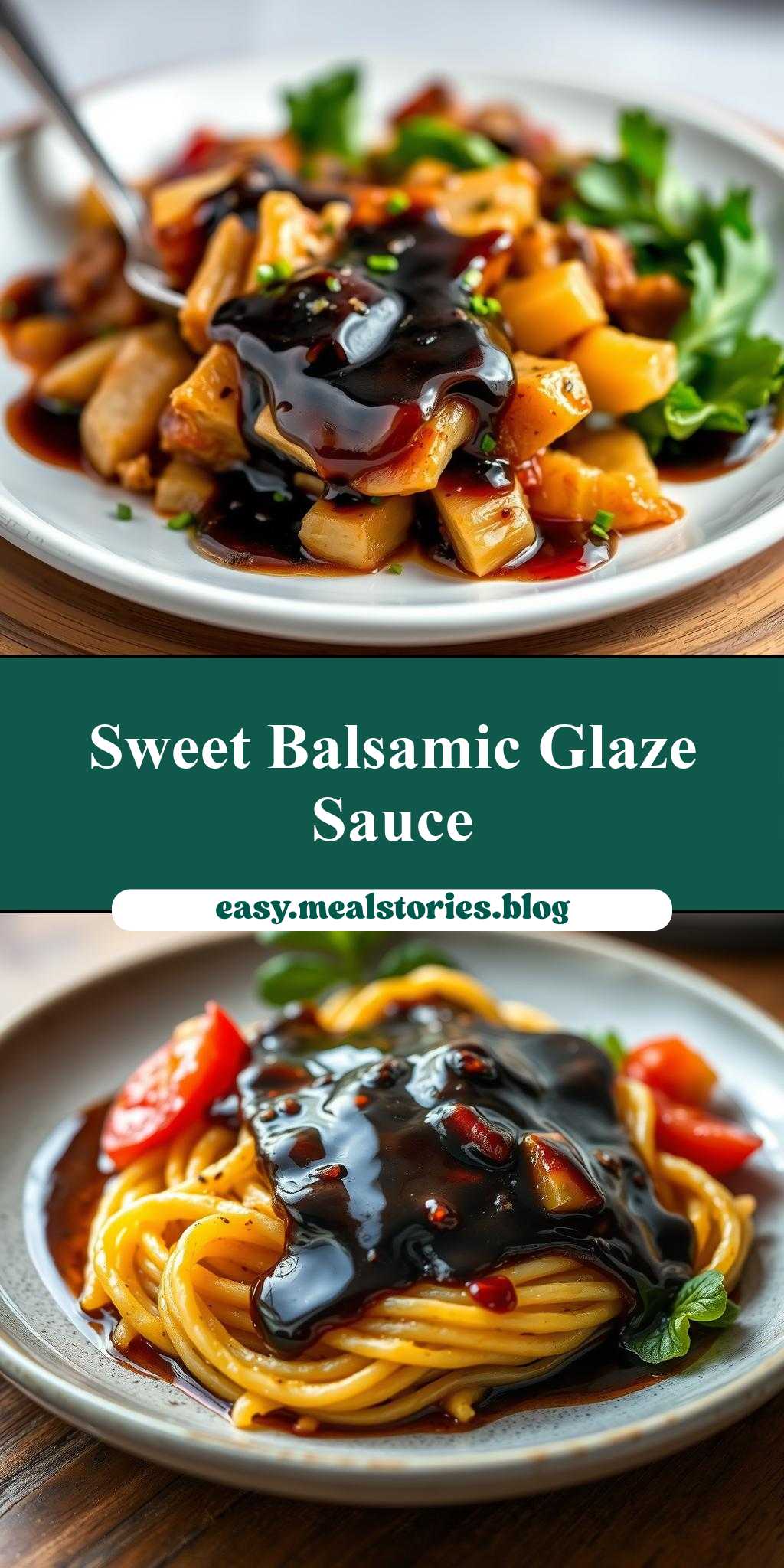
What makes a perfect drizzle for your favorite dishes? This balsamic glaze recipe is a game changer, made with just a few ingredients like rich balsamic vinegar and simmered to perfection for a quick and easy homemade sauce that elevates any weeknight dinner into a family favorite – Save this idea for your next culinary adventure.
Balsamic Glaze Recipe
Introduction
Creating a rich and velvety balsamic glaze from scratch is easier than you think, and it’s a perfect way to elevate any dish with a burst of intense, sweet, and tangy flavor. Using everyday ingredients like balsamic vinegar and a bit of sugar, you can craft a sauce that’s not only delicious but also versatile. Whether you’re looking to add a drizzle to your favorite salads, use it as a marinade for meats, or simply as a dipping sauce, this balsamic glaze recipe is your go-to. The best part? It requires minimal effort and time, making it a great addition to any meal without the fuss.
Why This Works
- Flavor balance and ingredient accessibility: The combination of balsamic vinegar and sugar creates a beautifully balanced flavor profile that’s both sweet and tangy, using ingredients that are easily found in most kitchens.
- Ease of preparation: This recipe is incredibly simple, requiring just a few ingredients and basic cooking techniques, making it accessible to cooks of all levels.
- Impressive results with minimal effort: Despite its simplicity, the end result is a sophisticated and rich glaze that can elevate even the simplest of dishes, impressing both family and friends with minimal effort.
Key Ingredients
The main ingredients for this balsamic glaze recipe include 1 cup of balsamic vinegar and 1/2 cup of granulated sugar. You can also add a pinch of salt to taste. For practical substitutions, you can experiment with different types of vinegar, such as apple cider vinegar, though keep in mind that the flavor profile will change significantly. Brown sugar can also be used instead of granulated sugar for a slightly deeper flavor.
Instructions
- Step 1: Begin by combining the balsamic vinegar and granulated sugar in a small saucepan. Whisk until the sugar is fully dissolved to ensure a smooth glaze.
- Step 2: Place the saucepan over medium heat and bring the mixture to a simmer. Reduce the heat to low and let it cook, stirring occasionally, until the glaze has thickened and reduced significantly. This should take about 20 minutes, or until it reaches your desired consistency.
- Step 3: Remove the glaze from the heat and let it cool slightly. This is a good time to add any additional flavorings you might like, such as a pinch of salt or a sprinkle of black pepper.
- Step 4: Once cooled, transfer the balsamic glaze to an airtight container, such as a glass jar. It’s now ready to use or store for later. When using, simply drizzle over your desired dish, whether it’s salads, meats, cheeses, or vegetables.
Handy Tips
- Be patient: The key to a good balsamic glaze is in the reduction process. Don’t rush it, as the slower you cook it, the thicker and more flavorful it will become.
- Watch the heat: It’s easy to burn the glaze if the heat is too high. Keep an eye on it and adjust the heat as necessary to maintain a gentle simmer.
- Experiment with flavors: While the basic recipe is delicious, don’t be afraid to add your own twist with different spices, herbs, or even a bit of honey for added sweetness.
Heat Control
For this recipe, maintaining the right temperature is crucial. You want to keep the mixture at a simmer, which is around 180°F to 190°F. This low heat helps in slowly reducing the liquid and preventing it from burning. Timing is also key; the glaze is ready when it has reduced by about half and has reached a thick, syrupy consistency. This should take approximately 20 minutes, but keep an eye on it as the cooking time can vary based on the heat level and the desired consistency.
Crunch Factor
This balsamic glaze recipe results in a smooth, velvety sauce. If you’re looking to add a crunch factor to your dishes, consider pairing the glaze with crunchy elements like toasted nuts, crispy bacon, or fresh vegetables. The contrast between the smooth glaze and crunchy textures can add depth and interest to any meal.
Pro Kitchen Tricks
- For an even thicker glaze, cook it for an additional 5 minutes or until it reaches your desired consistency. Just be careful not to overcook it, as it can quickly become too thick.
- Use this glaze as a base and experiment with different flavor profiles by adding various spices or herbs during the cooking process.
- Consider making a large batch of the glaze and canning it for later use. This makes for a wonderful homemade gift or a staple to have in your pantry.
Storage Tips
- Store the balsamic glaze in an airtight container in the refrigerator for up to 2 weeks. It can also be frozen for up to 3 months; simply thaw and whisk before using.
- For reheating, gently warm the glaze over low heat or in the microwave in short increments, stirring between each heating to prevent burning.
- When storing, keep in mind that the glaze will thicken more as it cools. You can always thin it out with a bit of water if it becomes too thick.
Gift Packaging Ideas
This balsamic glaze makes for a wonderful gift, especially when packaged in decorative jars or bottles. Consider adding a ribbon around the neck of the jar, along with a gift tag that includes serving suggestions or the recipe itself. You can also pair the glaze with a basket of fresh bread, cheeses, and fruits for a complete gourmet gift basket.
Flavor Variations
- Different spices: Try adding a pinch of red pepper flakes for a spicy kick, or some dried thyme for an herby note.
- Creative toppings: Use the glaze as a base and top it with toasted nuts, seeds, or even a sprinkle of grated cheese for added texture and flavor.
- Ingredient swaps: Experiment with different types of vinegar or sweeteners, like honey or maple syrup, to change up the flavor profile of the glaze.
Troubleshooting
- Texture problems: If the glaze becomes too thick, thin it out with a bit of water. If it’s too thin, simmer it for a few more minutes to reduce it further.
- Ingredient replacements: While balsamic vinegar is preferred for its unique flavor, you can experiment with other vinegars. However, keep in mind that the flavor will be significantly different.
- Over/undercooking signs: The glaze is overcooked if it becomes too thick and syrupy, almost caramel-like. Undercooked glaze will be too thin and watery. Adjust the cooking time based on the desired consistency.
FAQs
- Can I freeze it? Yes, the balsamic glaze can be frozen for up to 3 months. Simply thaw and whisk before using.
- Is it gluten-free? Yes, this recipe is gluten-free, making it a great option for those with gluten intolerance.
- Can I double the recipe? Absolutely, you can double or even triple the recipe if you’re planning to make a large batch. Just keep an eye on the cooking time, as larger batches may take longer to reduce.
Conclusion
Making your own balsamic glaze at home is a simple yet rewarding process that can elevate your cooking and add a professional touch to your dishes. With its rich, velvety texture and deep, tangy flavor, this glaze is versatile and can be used in a variety of ways. Whether you’re a seasoned chef or just starting out, this recipe is a must-try. So go ahead, experiment with different flavors, and enjoy the process of creating something truly special. Happy cooking!
Balsamic Glaze Recipe
A simple recipe for a rich and velvety balsamic glaze made from balsamic vinegar and sugar, perfect for elevating any dish with its sweet and tangy flavor.
🥘 Ingredients
👩🍳 Instructions
-
1Combine balsamic vinegar and granulated sugar in a saucepan and whisk until the sugar is dissolved.
-
2Bring the mixture to a simmer over medium heat, then reduce the heat to low and cook until the glaze has thickened, stirring occasionally.
-
3Remove from heat, let cool slightly, and transfer to an airtight container for storage or use.
-
4Use the glaze immediately or store it in the refrigerator for up to 2 weeks or freeze for up to 3 months.