
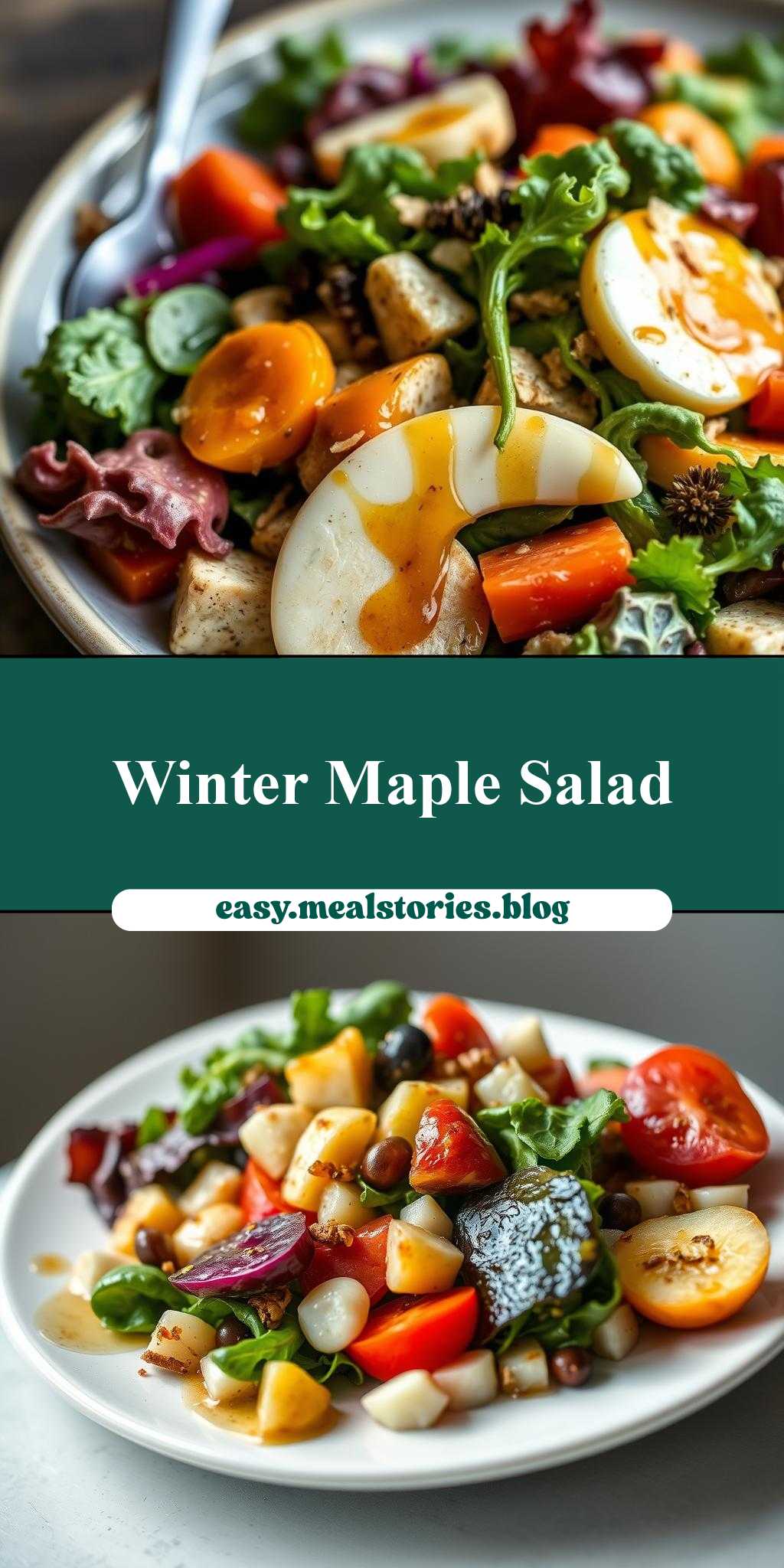
What makes a winter salad truly unforgettable? This easy side dish pairs perfectly with homemade weeknight dinners, featuring a tangy maple dijon vinaigrette and fresh greens. Save this idea for a quick family favorite recipe to enjoy all season long.
winter salad with maple dijon vinaigrette is an easy and delicious side dish
Introduction
As the winter months approach, our taste buds often crave hearty, comforting dishes that warm the soul. However, it’s also a great time to explore the vibrant flavors of seasonal produce in a refreshing winter salad. The combination of crisp winter greens, roasted vegetables, and a tangy maple dijon vinaigrette creates a dish that is both easy to make and deliciously satisfying. This winter salad is perfect for a quick weeknight dinner or as a side dish for your holiday gatherings. With its emphasis on everyday ingredients and simple preparation, it’s an ideal recipe for anyone looking to add some creativity to their meal routine without spending hours in the kitchen.
Why This Works
- Flavor balance and ingredient accessibility: The maple dijon vinaigrette brings a perfect balance of sweet and tangy flavors, complementing the earthy tones of the winter produce. All the ingredients are readily available in most supermarkets, making it accessible to everyone.
- Ease of preparation: This salad is incredibly easy to prepare. With a few simple steps, you can have a delicious and healthy meal on the table in no time.
- Impressive results with minimal effort: Despite its simplicity, the winter salad with maple dijon vinaigrette presents beautifully and tastes impressive, making it a great option for entertaining guests or special occasions.
Key Ingredients
The main ingredients for this winter salad include mixed winter greens (such as kale, spinach, and arugula), roasted butternut squash, apples, dried cranberries, crumbled blue cheese, and a homemade maple dijon vinaigrette. For the vinaigrette, you’ll need olive oil, apple cider vinegar, Dijon mustard, maple syrup, salt, and pepper. Feel free to substitute ingredients based on your preferences and dietary needs. For example, you can use goat cheese instead of blue cheese or add some toasted walnuts for extra crunch.
Instructions
- Step 1: Begin by preheating your oven to 400°F (200°C). Peel and dice the butternut squash into bite-sized pieces. Toss the squash with a drizzle of olive oil, salt, and pepper on a baking sheet. Roast in the oven for about 20-25 minutes, or until the squash is tender and lightly caramelized.
- Step 2: While the squash is roasting, prepare the maple dijon vinaigrette. In a small bowl, whisk together 2 tablespoons of olive oil, 1 tablespoon of apple cider vinegar, 1 teaspoon of Dijon mustard, and 1 teaspoon of maple syrup. Season with salt and pepper to taste.
- Step 3: In a large bowl, combine the mixed winter greens, roasted butternut squash, diced apple, dried cranberries, and crumbled blue cheese.
- Step 4: Drizzle the maple dijon vinaigrette over the salad and toss to combine. You can adjust the amount of vinaigrette to your liking. Serve immediately and enjoy!
Handy Tips
- For an extra burst of flavor, try adding some caramelized onions or roasted garlic to your salad.
- If you’re preparing the salad ahead of time, wait to dress it until just before serving to keep the greens fresh.
- Consider using a variety of apples, such as Granny Smith or Honeycrisp, for a nice balance of sweet and tart flavors.
Heat Control
When roasting the butternut squash, it’s essential to keep an eye on the temperature and timing to achieve the perfect tenderness. The squash is done when it’s easily pierced with a fork and has a lightly caramelized exterior. If you’re unsure, you can always check on it after 20 minutes and return it to the oven for a few more minutes if needed.
Crunch Factor
To add some delightful texture to your salad, consider incorporating crunchy elements like toasted nuts (walnuts or pecans work well), crispy bacon, or even some crunchy seeds like pumpkin or sunflower seeds. Consider the balance of textures in your salad to ensure it’s not too soft or too crunchy.
Pro Kitchen Tricks
- To speed up the preparation of your butternut squash, use a vegetable peeler to remove the skin and then use a spoon to scoop out the seeds before dicing it.
- For a more intense flavor in your vinaigrette, let it sit at room temperature for about 30 minutes to allow the flavors to meld together before whisking it again and using it.
Storage Tips
- Leftover salad can be stored in the refrigerator for up to a day. It’s best to store the dressed salad separately from the undressed components to keep everything fresh.
- Reheat the roasted butternut squash in the oven or microwave if it’s been refrigerated.
- Use airtight containers to store components of the salad, such as the roasted squash or the vinaigrette, to maintain freshness.
Gift Packaging Ideas
If you’re considering gifting this winter salad, a beautifully presented jar with layers of the salad’s components, topped with a ribbon and a small jar of the maple dijon vinaigrette on the side, makes for a lovely and healthy gift. You could also include some crusty bread or crackers on the side for a complete gift basket.
Flavor Variations
- Different spices: Add some warmth with cinnamon or nutmeg to the roasted squash for a unique twist.
- Creative toppings: Experiment with various cheeses, nuts, or even some diced pomegranate for added flavor and texture.
- Ingredient swaps: Replace the butternut squash with roasted sweet potatoes or Brussels sprouts for a different seasonal flavor.
Troubleshooting
- Texture problems: If your salad ends up too soggy, it might be due to overdressing. Try to dress your salad just before serving to avoid this.
- Ingredient replacements: If you can’t find a specific ingredient, don’t hesitate to substitute it with something similar. For example, you can use balsamic vinegar instead of apple cider vinegar in the vinaigrette.
- Over/undercooking signs: Keep an eye on your roasted squash to ensure it doesn’t overcook and become too soft. It should be tender but still retain some crunch.
FAQs
- Can I freeze it? While you can freeze some components like the roasted squash, it’s best to assemble and dress the salad fresh for the best flavor and texture.
- Is it gluten-free? Yes, this salad recipe is naturally gluten-free, making it a great option for those with gluten intolerance or sensitivity.
- Can I double the recipe? Absolutely! This salad scales well, so you can easily double or triple the ingredients if you’re serving a larger crowd.
Conclusion
This winter salad with maple dijon vinaigrette is a versatile and delicious addition to any meal. With its easy preparation, accessible ingredients, and impressive presentation, it’s perfect for both everyday meals and special occasions. Feel free to experiment with the ingredients and flavor variations to make it your own. Whether you’re a seasoned chef or a beginner in the kitchen, this recipe is sure to become a favorite. So go ahead, get creative, and enjoy the flavors of the season in this wonderful winter salad!
winter salad with maple dijon vinaigrette is an easy and delicious side dish
A refreshing winter salad featuring roasted butternut squash, mixed greens, and a tangy maple dijon vinaigrette, perfect for a quick and delicious side dish.
🥘 Ingredients
👩🍳 Instructions
-
1Preheat the oven to 400°F (200°C).
-
2Roast the butternut squash in the oven for about 20-25 minutes, or until tender.
-
3Prepare the maple dijon vinaigrette by whisking together olive oil, apple cider vinegar, Dijon mustard, and maple syrup.
-
4Combine the mixed winter greens, roasted butternut squash, diced apple, dried cranberries, and crumbled blue cheese in a large bowl.
-
5Drizzle the maple dijon vinaigrette over the salad and toss to combine. Serve immediately.